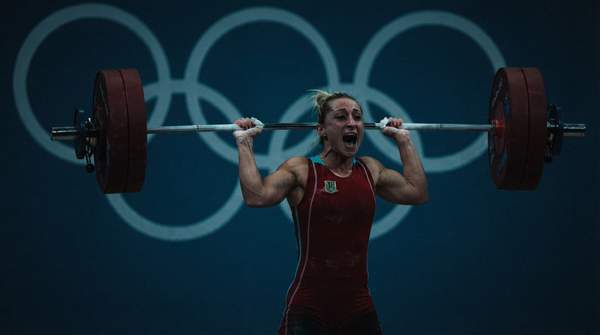
Once you have several years of consistent training behind you, simply adding weight to the bar stops working as a progression strategy. Strength coach Bret Contreras is blunt about this: after a couple of years of solid training, you have to be clever with your programming, rotating lifts, fluctuating training stress, and tinkering with methodologies to keep reaching new strength levels. The good news is that progressive overload has many levers besides load, and learning to pull the right one at the right time is what separates lifters who progress for decades from those who stall or break down.
Introduction: Beyond Beginner Gains
Progressive overload, in its scientific definition, is the act of gradually increasing stress placed on the muscles and nervous system, as described in Loek Vossen's guide for the training technology company GymAware. For beginners, that increase can be almost automatic. Contreras notes that a novice can pretty much do anything and gain strength as long as they are consistent, and that overload methodology differs between beginners and advanced lifters.
You are past that stage. You already know the basic principles, and this article assumes as much. What you need now is a set of strategies for applying those principles when the easy adaptations are exhausted: how to rotate exercises, modulate volume and intensity, sharpen technique, and manage recovery so that training remains productive for years, not months. These are principles to apply to your own programming, not a prescribed workout plan.