
Strength Training
30 articles

How to Program for Your Muscle Fiber Types: Matching Load, Reps, and Style to Strength or Size
Tailor your training to your specific muscle fiber types to optimize for maximal strength or hypertrophy. Understand how Type I, IIa, and IIx fibers respond to different loads, repetition ranges, and training styles to program effectively.

Why Your First Weeks of Lifting Make You Stronger Without Making You Bigger
Initial strength increases in resistance training are largely due to neural adaptations, not muscle growth. The nervous system learns to activate muscles more efficiently through recruitment, rate coding, synchronization, and reduced antagonist co-activation, leading to faster strength gains before visible size changes.

Calcium and Vitamin D: The Two Micronutrients That Matter Most for a Lifter's Skeleton
Calcium and vitamin D are the two micronutrients with the strongest evidence for skeletal strength, playing complementary roles in bone health for lifters. While their requirements are similar to the general population, understanding their distinct functions and dietary sources is key to fueling your skeleton.

Two Levers of Force: How Motor Unit Recruitment and Firing Rate Build Maximal Strength
Neural drive, the nervous system's command signal to muscles, has two trainable components: motor unit recruitment and firing rate. Advanced lifters can optimize strength gains by training both through heavy loads and maximal intended velocity.
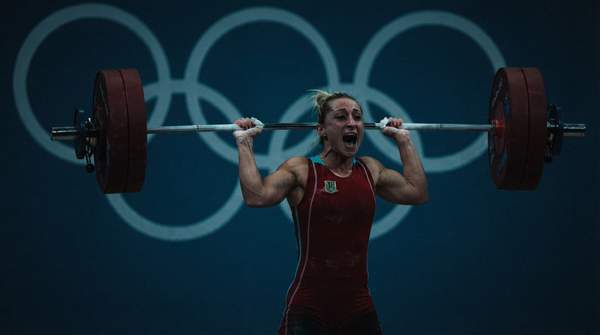
Heavy and Slow: How to Train Tendons That Can Keep Up With Your Muscles
Tendons adapt slower than muscles and require specific training protocols focused on high-magnitude loads sustained for at least 3 seconds per repetition to build resilience and prevent injury.

Hpike-Free Gains: How Testosterone, Estrogen, and Growth Hormone Actually Protect Strength as You Age
Maintaining strength as you age relies more on consistent baseline levels of testosterone, estrogen, and growth hormone than acute training spikes. Lifestyle strategies like nutrition, exercise, sleep, and stress management significantly support these vital hormones, with medical consultation reserved for diagnosed deficiencies.

APRE for Advanced Lifters: Principles of Autoregulated Loading
Autoregulatory Progressive Resistance Exercise (APRE) allows advanced lifters to adjust barbell weights session by session based on daily readiness, using a feedback loop from a max-reps set. This method replaces rigid, predetermined plans with real-time load adjustments, optimizing training stimulus and minimizing fatigue.

How to Program a Hybrid Training Week: The Three Principles and a Decision Framework That Balance Strength and Endurance
Building strength and endurance simultaneously requires a structured approach based on three core programming principles: progressive overload, periodization, and recovery management. This article provides a decision framework to help athletes arrange their weekly training, sequencing sessions based on their primary goal to optimize adaptations.
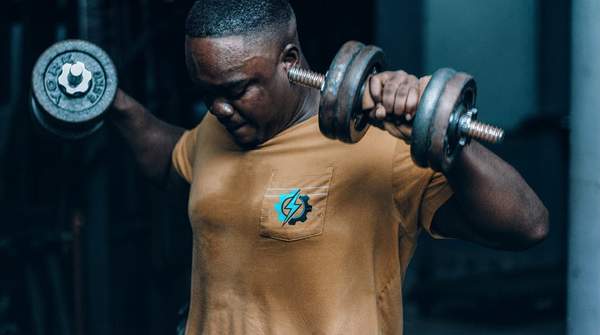
After 40, Train More Often or Lift More Volume? A Decision Framework for Masters Lifters
Masters lifters over 40 face a choice: prioritize higher training frequency for strength gains or moderate frequency with varied volume for hypertrophy. This article provides a decision framework to help optimize training based on individual goals and age-related recovery considerations.

Barbell vs. Dumbbell vs. Kettlebell Overhead Press: Which Variation Fits Your Goal?
Choosing the right overhead press variation—barbell, dumbbell, or kettlebell—depends on your specific training goals. Each implement offers unique benefits for strength, hypertrophy, and stability.
When to Deload: The Signs That Say It's Time—and the Strength Trade-off You Should Know
Advanced lifters should deload when experiencing consistent signs of fatigue, poor sleep, or performance stagnation, but be aware that a complete week off may impact maximal strength gains while preserving hypertrophy.
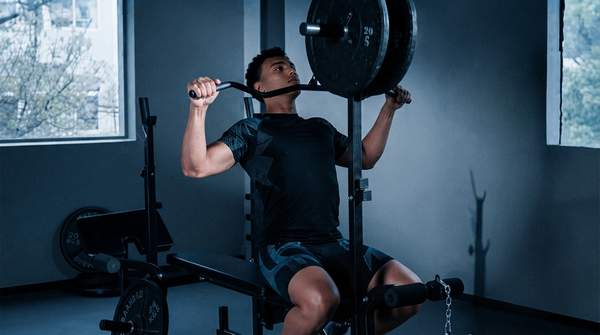
Iron, Bumper, Calibrated, or Urethane: Which Weight Plate Type Fits Your Home Gym?
Choosing the right weight plates for your home gym involves balancing cost, accuracy, durability, and noise based on your specific lifting style and environment. Whether you prioritize precision for powerlifting, impact protection for Olympic lifts, or budget-friendly general strength training, understanding the trade-offs between iron, calibrated steel, bumper, and urethane plates is key.

Which Squat Variation Fixes Your Weak Point: Front Squat, Safety Bar, or Pause Squat?
Improve your back squat by identifying specific weaknesses and choosing the right variation. Learn how front squats, safety bar squats, and pause squats target distinct failure points to enhance your overall lift.

Conventional Deadlift vs. Romanian Deadlift: Which One Fits Your Goal?
Understand the key biomechanical differences between the conventional deadlift and the Romanian deadlift (RDL) to select the best exercise for your specific training goals, from maximal strength to targeted muscle hypertrophy.

Which Deadlift Variation Fixes Your Weak Point? A Diagnostic Guide for Advanced Lifters
Diagnose your deadlift sticking points and muscle weaknesses. This guide helps advanced lifters select the optimal deadlift variation—deficit, block pull, RDL, or trap bar—to target and overcome specific limitations.
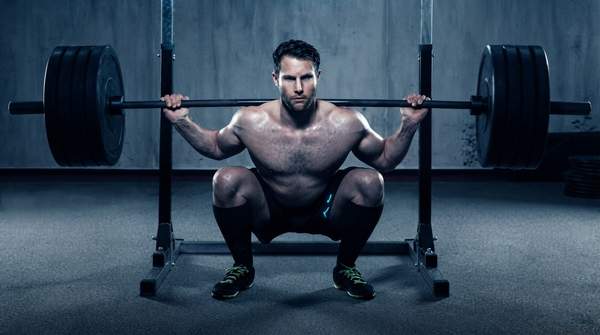
Why Advanced Lifters Move Beyond Linear Periodization: Choosing Between Block and DUP
Advanced lifters often outgrow linear periodization due to slower adaptation and increased recovery demands. The choice then shifts to Block Periodization for focused, sequential development toward a peak, or Daily Undulating Periodization (DUP) for concurrent, flexible training of multiple qualities.
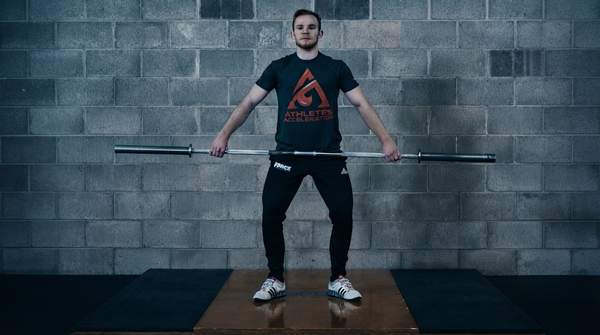
Four Pillars or PAP? Choosing an Advanced Warm-Up for Heavy Compound Lifts
For heavy compound lifting, two advanced warm-up philosophies dominate: the structured Four-Pillar Protocol for general readiness and Post-Activation Potentiation (PAP) for acute peak performance. This article breaks down both, compares them side by side, and helps you decide which fits your training goal or how to combine them.
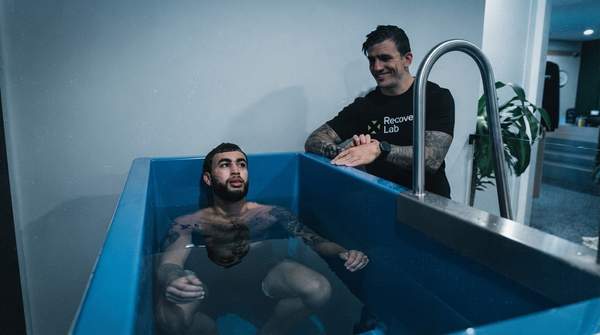
Cold Therapy for Lifters: Why the Ice Bath That Eases Soreness May Also Blunt Your Gains
Cold therapy effectively reduces post-exercise soreness, but the biological processes it suppresses are also crucial for long-term muscle growth. Advanced lifters face a trade-off: use ice baths for acute recovery needs, but limit routine use during hypertrophy-focused training blocks to avoid blunting adaptation signals.
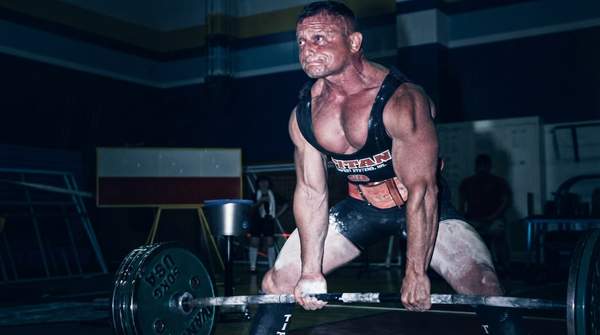
Train to Failure or Leave Reps in Reserve? Match Your RIR to Your Goal
Training to failure isn't always optimal; the best approach depends on your goal. For muscle growth, training close to failure (1-3 RIR) offers a modest benefit, while for strength, leaving 3-5 reps in reserve is equally effective and better for recovery.

Mind-Muscle Connection vs. Movement Focus: Which Attentional Strategy Fits Your Lift
Choosing between mind-muscle connection (internal focus) and movement focus (external focus) depends on your training goals. Internal focus enhances muscle activation for hypertrophy, while external focus improves economy and performance for strength and power.

Training for the Adaptation You Actually Want: A Specificity Framework for Strength, Size, and Endurance
The SAID principle emphasizes that your body adapts specifically to the demands placed upon it. This article details how to align training variables like load, repetitions, and exercise selection with specific goals such as maximal strength, muscle hypertrophy, and muscular endurance for optimal adaptation.

Which Squat Variation Fixes Your Weak Point? A Biomechanical Guide for Experienced Lifters
Diagnose your specific squat weak points, like upper back rounding or core instability, by analyzing failure patterns. Then, choose the right barbell variation—Front, Zercher, or Back Squat—to biomechanically target and strengthen that limiter.

Beyond Muscle: Why Strength Arrives Before Size—and What Your Nerves, Tendons and Bones Are Doing About It
Initial strength gains from resistance training are primarily driven by neural and connective tissue adaptations, not muscle growth. Understanding the distinct timelines for these physiological changes is key to optimizing training for long-term resilience and strength.

Training Past 40: How Masters Athletes Keep Strength High and Joints Healthy
Masters athletes over 40 can maintain high strength and joint health by training differently, focusing on heavy strength work, dynamic mobility, and strategic recovery. These adjustments help preserve muscle fibers, keep connective tissues pliable, and optimize adaptation for sustainable performance.

Wearables vs. AI Video: Which Technology Actually Improves Your Strength Training?
Sensor-based wearables excel at tracking internal physiological states for recovery and readiness, while AI-driven video analysis is superior for refining lifting technique and monitoring external biomechanical performance. The choice depends on your primary training goal, as no single technology currently masters both.

How to Read Your Wearable Data Before a Heavy Lifting Session: A 3-Tier Decision Framework
Advanced lifters should use multi-day trends in HRV and sleep, combined with subjective feelings, to guide heavy lifting session intensity. A 3-tier decision framework helps determine whether to proceed, modify, or prioritize recovery, while treating in-workout device metrics with skepticism.

Adding Calisthenics to an Advanced Lifting Program: A Decision Framework for Body Control Without Losing Strength
Advanced lifters can integrate calisthenics to enhance body control, balance, and coordination without sacrificing strength gains. This article provides a decision framework for selecting calisthenics focuses and programming methods, ensuring complementary training.

When to Deload: A Science-Backed Decision Framework for Advanced Lifters
Advanced lifters should implement deloads either on a planned schedule every 3-4 weeks or reactively when signs of accumulated fatigue appear, always including a mandatory pre-competition deload. This approach leverages the fitness-fatigue model to manage recovery and ensure peak performance.

Bands or Chains? Matching Accommodating Resistance to Your Strength Goals
Advanced lifters must choose between bands and chains based on their specific strength goals. Bands enhance explosive power and bar speed with curvilinear tension, while chains overload lockout strength and help grind through sticking points with linear resistance.

How to Use the Force-Velocity Curve to Target Your Strength Goals
The force-velocity curve illustrates the inverse relationship between muscular force production and movement speed. By understanding this principle, lifters can strategically select exercises, loads, and speeds to target specific strength, power, or speed goals for optimized training outcomes.