
Progressive Overload
6 articles

Progressive Overload Without More Weight: How Tempo and Range of Motion Keep Gains Coming
Progressive overload can be achieved without adding weight by manipulating exercise tempo and range of motion. These methods increase training difficulty and mechanical work, helping advanced lifters overcome plateaus.
Beyond Adding Weight: How to Choose the Right Progressive Overload for Your Goals
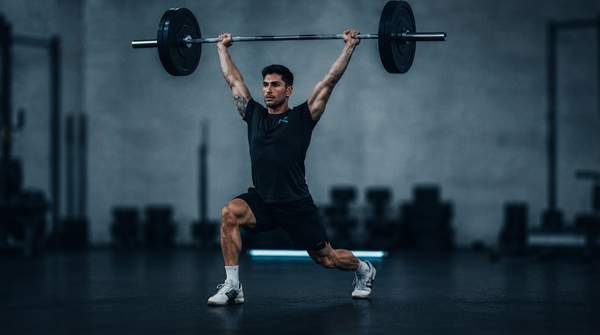
Progressive overload is crucial for experienced lifters, but adding weight isn't the only method. Choosing the right progression strategy—whether increasing load, reps, sets, or improving form—depends on whether your primary goal is maximal strength or muscle hypertrophy.

Progressive Overload: Reps as Effective as Weight for Growth
A 2025 study from A. Barsuhn found no significant difference in 1RM strength gains or muscle cross-sectional area increases between lifters who progressively increased weight and those who progressive

How Progressive Overload Works: Choosing Your Method, Applying the 2-for-2 Rule, and Breaking Plateaus
Progressive overload is essential for continuous adaptation in resistance training, involving gradual increases in stress through variables like load, reps, or volume. Understanding how to choose the right progression method, apply rules like the 2-for-2 rule, and manage plateaus is key to sustained gains.

Which Progressive Overload Method Should You Use? Match the Variable to Your Goal
Progressive overload is key to fitness gains, but the method matters. Choosing the right variable—like weight, reps, or rest—to increase depends on whether your goal is strength, muscle size, or endurance.

Texas Method Workout Explained for Advanced Lifters
Despite frequent recommendations for 'intermediate' lifters, the Texas Method workout is explicitly designed for advanced athletes who have stalled on simpler linear progressions.