In a 2013 study involving 88 university students, just 20 minutes of targeted exercise, three times a week for eight weeks, significantly improved their posture, according to pmc . Many people are told to 'sit up straight,' but true, lasting posture correction comes from building dynamic strength and flexibility through specific exercises, not conscious, temporary adjustments. Therefore, relying solely on static posture adjustments is likely ineffective for long-term health, and a proactive exercise regimen is essential for genuine postural improvement and mobility. Poor posture is more than an aesthetic issue; it is a tangible health concern with measurable physiological impacts. It often signals underlying muscular imbalances, chronic stiffness, and poor movement patterns requiring physical intervention. The misconception that posture is a static trait, unchangeable by age or genetics, deters many from active solutions. Proactively addressing these issues can mitigate chronic back and neck pain, reduced respiratory function, and decreased athletic performance. This demands a fundamental shift from passive, temporary fixes to active engagement with one's physical structure. Beyond 'Sit Up Straight': The Real Cost of Poor Posture Adults with obesity exhibit greater thoracic kyphosis and smaller lumbar flexion compared to normal-weight individuals, according to pmc . Excess body mass directly influences spinal curvature and contributes to specific postural deformities. Posture is a critical indicator of overall physical health, demanding a holistic, active approach rather than mere conscious awareness. Addressing body composition can be a direct pathway to improving spinal alignment and mitigating related health risks. Time is Not the Enemy: Efficient Pathways to Better Posture The notion that posture correction demands extensive time is unfounded. The 2013 study showed that just 20-minute sessions, three times a week for eight weeks, significantly improved university students' posture, according to pmc. This modest time investment makes effective correction accessible, challenging the idea that postural issues are a lifelong burden. While static holds, like Child's Pose, offer temporary flexibility, according to healthline , lasting correction requires active, dynamic strengthening and mobility. Passive positions provide temporary relief but fail to build the muscular strength and neuromuscular control essential for sustained postural integrity. Consistent, targeted effort, not prolonged sessions, drives genuine change. Targeted Movements: Rebuilding Your Postural Foundation Effective posture correction integrates dynamic strength, targeted flexibility, and comprehensive spinal mobility. Pilates movements, like chest expansion and back rowing, improve upper-back strength and overall posture by engaging multiple muscle groups to balance spinal and shoulder strength, according to s2sperform. Foundational core exercises, such as planks and dead bugs, teach proper core engagement for essential stability, preventing compensatory movements, according to s2sperform. Band pull-aparts further address imbalances by opening the front of the body, restoring upper back muscle pull and promoting shoulder retraction, according to s2sperform. Ignoring these underlying muscular imbalances and stiffness means individuals only address symptoms, not the root cause of poor posture and its impact on long-term mobility. A multi-faceted approach, targeting specific muscle groups, builds lasting postural integrity. Beyond Correction: Sustaining Mobility and Performance A dynamic, exercise-focused approach to posture corrects existing issues and ensures long-term health, mobility, and complication prevention. Hip flexor stretches release tension, allowing the pelvis to maintain a neutral position and alleviating postural strain, according to sa week for eight weeks, significantly improved their posture, according to pmc. Many people are told to 'sit up straight,' but true, lasting posture correction comes from building dynamic strength and flexibility through specific exercises, not conscious, temporary adjustments. Therefore, relying solely on static posture adjustments is likely ineffective for long-term health, and a proactive exercise regimen is essential for genuine postural improvement and mobility.
Poor posture is more than an aesthetic issue; it is a tangible health concern with measurable physiological impacts. It often signals underlying muscular imbalances, chronic stiffness, and poor movement patterns requiring physical intervention. The misconception that posture is a static trait, unchangeable by age or genetics, deters many from active solutions. Proactively addressing these issues can mitigate chronic back and neck pain, reduced respiratory function, and decreased athletic performance. This demands a fundamental shift from passive, temporary fixes to active engagement with one's physical structure.
Beyond 'Sit Up Straight': The Real Cost of Poor Posture
Adults with obesity exhibit greater thoracic kyphosis and smaller lumbar flexion compared to normal-weight individuals, according to pmc. This indicates excess body mass directly influences spinal curvature and contributes to specific postural deformities. These findings reveal posture as a critical indicator of overall physical health, demanding a holistic, active approach rather than mere conscious awareness. The implication is clear: addressing body composition can be a direct pathway to improving spinal alignment and mitigating related health risks.
Time is Not the Enemy: Efficient Pathways to Better Posture
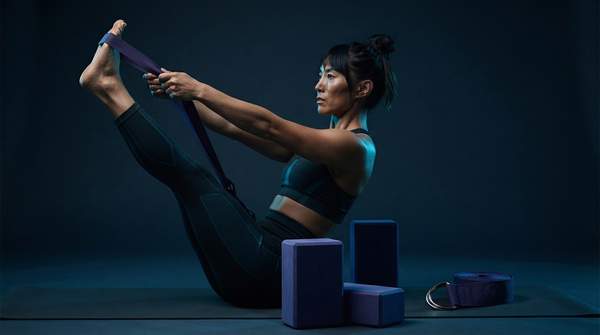
The notion that posture correction demands extensive time is unfounded. The 2013 study showed that just 20-minute sessions, three times a week for eight weeks, significantly improved university students' posture, according to pmc. This modest time investment makes effective correction accessible, challenging the idea that postural issues are a lifelong burden. While static holds, like Child's Pose, offer temporary flexibility, according to healthline, lasting correction requires active, dynamic strengthening and mobility. Passive positions provide temporary relief but fail to build the muscular strength and neuromuscular control essential for sustained postural integrity. The implication is that consistent, targeted effort, not prolonged sessions, drives genuine change.
Targeted Movements: Rebuilding Your Postural Foundation
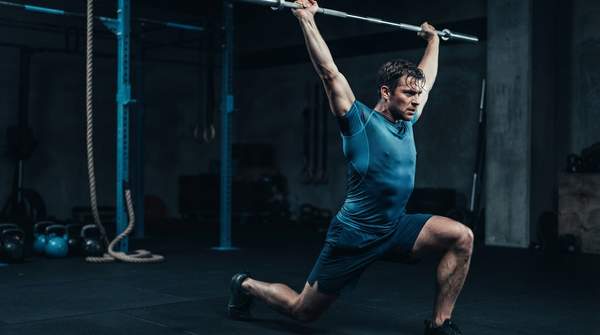
Effective posture correction integrates dynamic strength, targeted flexibility, and comprehensive spinal mobility. Pilates movements, like chest expansion and back rowing, improve upper-back strength and overall posture by engaging multiple muscle groups to balance spinal and shoulder strength, according to s2sperform. Foundational core exercises, such as planks and dead bugs, teach proper core engagement for essential stability, preventing compensatory movements, according to s2sperform. Band pull-aparts further address imbalances by opening the front of the body, restoring upper back muscle pull and promoting shoulder retraction, according to s2sperform. Ignoring these underlying muscular imbalances and stiffness means individuals only address symptoms, not the root cause of poor posture and its impact on long-term mobility. The implication is that a multi-faceted approach, targeting specific muscle groups, builds lasting postural integrity.
Beyond Correction: Sustaining Mobility and Performance
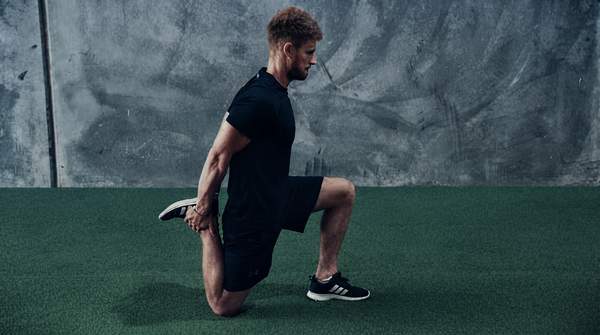
A dynamic, exercise-focused approach to posture corrects existing issues and ensures long-term health, mobility, and complication prevention. Hip flexor stretches release tension, allowing the pelvis to maintain a neutral position and alleviating postural strain, according to s2sperform. This proactive flexibility prevents muscular tightness that pulls the body into suboptimal alignment. Movements like cat-cow and thoracic rotations release stiffness, restoring spinal motion, segmental control, and overall spinal health, according to s2sperform. By actively addressing tension, stiffness, and core stability, individuals correct current postural issues and proactively safeguard their long-term spinal health and mobility. Consistent, targeted movement is a preventative measure, not just a corrective one, for sustained physical well-being. If individuals consistently adopt these dynamic, targeted exercise regimens, they will likely experience improved posture and mobility, and experience sustained postural improvement, enhanced mobility, and reduced injury risk well beyond 2026.