
Talia Sharir
Editorial byline
Talia Sharir is an editorial byline for No Bad Reps, with a focus on Nutrition Science, Supplement Reviews, Dietary Protocols. Biographical credentials and external profiles are published only after verification.
Learn more about our editorial process and use of automation in our AI & Automation disclosure.
Coverage Areas
Latest Articles
CRN Reaffirms Creatine Safety, Updates Observed Intake Level to 10 Grams Per Day
The Council for Responsible Nutrition (CRN) has reaffirmed the safety of creatine monohydrate, updating its highest observed intake (HOI) level for adults to 10 grams per day following a review of 162 clinical studies.
Nov 6, 2026 · 4 min read

Omega-3s for Advanced Lifters: Strong for Recovery, Weak for Direct Muscle Growth
For advanced lifters, omega-3 fatty acids show reasonable support for managing exercise-induced inflammation and muscle damage, but evidence for direct muscle growth or strength gains in well-nourished athletes is currently weak.
Nov 5, 2026 · 5 min read

Sarcopenia vs. Dynapenia: Why Your Strength Fades Faster Than Your Muscle Size
Sarcopenia is the age-related loss of muscle mass, while dynapenia is the age-related loss of muscle strength. Strength often declines faster than mass due to factors beyond muscle size, making it a more significant predictor of disability.
Nov 1, 2026 · 4 min read

Creatine for the Brain: Who Actually Sees Cognitive Benefits, and When
Creatine supplementation may enhance short-term memory and reasoning, particularly for individuals experiencing metabolic stress or with lower baseline creatine levels like vegetarians and older adults. Its cognitive benefits are not universal and depend on specific conditions and task demands.
Oct 28, 2026 · 5 min read

Complete Plant Proteins for Lifters: The Pairing Strategy That Fixes "Incomplete" Amino Acids
Most individual plant proteins are incomplete, lacking essential amino acids crucial for muscle growth. Lifters can achieve complete protein profiles by strategically pairing complementary food groups, such as legumes with grains, or by utilizing complete plant sources like soy or pea protein.
Oct 26, 2026 · 4 min read

Nutrient Timing for Advanced Lifters: When Eating Around Your Workout Actually Matters
For advanced resistance trainees, nutrient timing is a marginal-gains lever that beginners do not need. While total daily intake is foundational, precise placement of protein and carbs around workouts influences performance, recovery, and adaptation for highly trained individuals.
Oct 25, 2026 · 5 min read
Gut Health for Advanced Lifters: Three Evidence-Backed Strategies to Protect Absorption, Recovery, and Immunity
Advanced lifters often compromise gut health with restrictive diets, impacting absorption, recovery, and immunity. Three evidence-backed strategies—dietary diversity, adequate fiber, and probiotic supplementation—can optimize gut function without derailing training goals.
Oct 22, 2026 · 5 min read

Match Your Electrolyte Powder to Your Workout: A Sodium-and-Sugar Decision Framework
Choosing the right electrolyte powder depends on your workout's duration, intensity, and conditions. This guide helps you match sodium and carbohydrate profiles to your specific training needs for optimal hydration and performance.
Oct 21, 2026 · 5 min read
How to Time Your Post-Exercise Carbs: A Recovery-Window Decision Framework
Post-exercise carbohydrate timing is critical when your next training session is less than 24 hours away, requiring immediate intake of 1.0–1.2 grams per kilogram of body weight per hour. For recovery windows longer than 24 hours, focusing on total daily carbohydrate needs is sufficient.
Oct 21, 2026 · 5 min read
Five Evidence-Backed Pre-Workout Ingredients for Strength and Power: Doses, Mechanisms, and How to Stack Them
This guide details five evidence-backed pre-workout ingredients for strength and power, explaining their unique mechanisms, optimal doses, and timing strategies. It also teaches how to evaluate supplement labels to avoid under-dosed products and proprietary blends.
Oct 18, 2026 · 5 min read
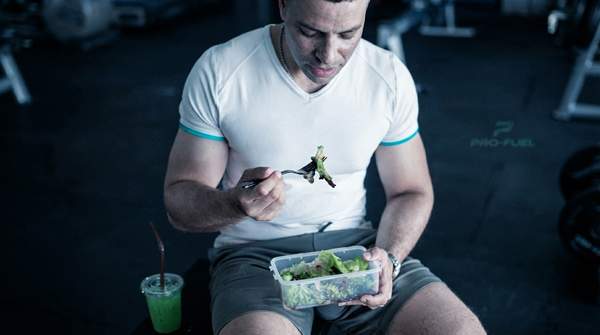
What to Eat Before a Workout: A Goal-and-Timing Decision Framework
The optimal pre-workout meal is determined by your primary training goal and the time available before exercise, balancing macronutrients like carbohydrates and protein. This guide provides a decision framework to help you choose the right fuel for muscle growth or general performance.
Oct 16, 2026 · 5 min read
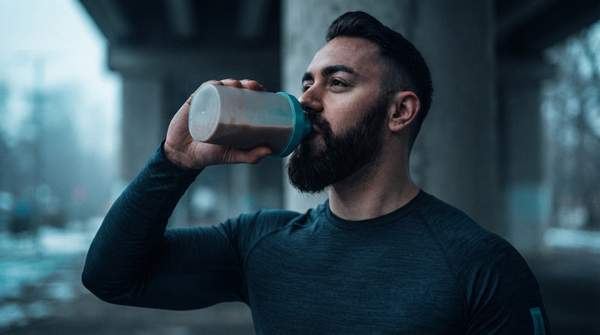
Whey vs. Casein: A Guide to Strategic Protein Timing
Whey and casein proteins differ significantly in their digestion rates, making them suitable for distinct nutritional goals. Understanding when to consume each can strategically enhance muscle recovery, growth, and satiety.
Oct 10, 2026 · 4 min read

Rethinking Hydration: Why Your Electrolyte Drink's Sodium-to-Potassium Ratio Is Key
Effective hydration for athletes goes beyond just sodium replacement, focusing on the critical balance between sodium and potassium for cellular function. Understanding the sodium-to-potassium ratio and other key ingredients in electrolyte supplements is vital for optimizing performance and recovery.
Oct 9, 2026 · 4 min read
California Enacts AB 2030, Imposing Age Restrictions on Dietary Supplements
California has enacted Assembly Bill 2030, signed into law on September 28, 2026, which prohibits the sale of specific weight loss and muscle-building dietary supplements to individuals under 18. The legislation mandates age verification for these products, drawing criticism from the industry over consumer access and free speech concerns.
Sep 30, 2026 · 4 min read
Evaluating Third-Party Supplement Testing: A Framework for Advanced Lifters and Coaches
For advanced lifters and coaches, the "third-party tested" claim on supplements is often insufficient. This article provides a framework to rigorously evaluate testing protocols, ensuring quality, safety, and athletic eligibility.
Sep 29, 2026 · 6 min read

New research questions necessity of 2026 athlete dietary supplements
Nearly one in five nutritional supplements purchased in the United States contained unlabeled prohormone substances, according to an IOC Medical Commission analysis ( pmc ).
Sep 16, 2026 · 3 min read

Creatine boosts brain health and cognitive function, study shows
A recent study found that 64 healthy adults aged 45-65 who took creatine monohydrate for twelve weeks saw improvements in memory and reasoning, even without changing their exercise or diet, according
Sep 11, 2026 · 3 min read

Active nutrition market sees rapid growth and innovation in 2026
Spanish endurance brand Santamadre launched Lactate 60, a gel combining 40g of carbs with 60 millimoles of lactate, as a limited edition in July, according to NutraIngredients .
Sep 7, 2026 · 6 min read

Female Endurance Nutrition Market to Reach $626M by 2036
The female endurance nutrition market is projected to more than triple in value, expanding from USD 191.
Sep 3, 2026 · 2 min read

Active Nutrition Leaders Discuss Future of Healthy Aging Market
The global anti-aging market, valued at USD 77.
Aug 24, 2026 · 4 min read