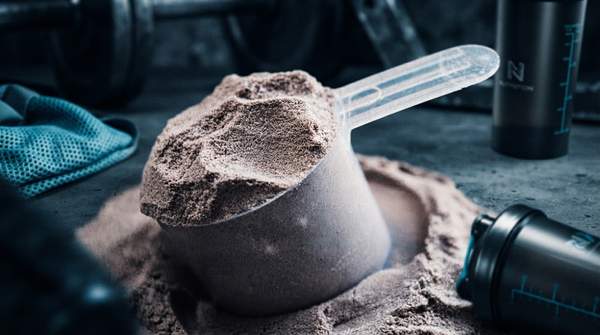
Choosing between whey and casein protein comes down to strategic timing, as their distinct digestion rates make them suitable for different nutritional goals. Both are high-quality proteins derived from milk and contain all essential amino acids, but their physiological effects are nearly opposite. Whey is absorbed rapidly, making it ideal for kickstarting muscle recovery immediately after a workout. In contrast, casein digests slowly, providing a prolonged release of amino acids that is better suited for sustained nourishment, such as during overnight sleep or between meals.
Understanding Milk Proteins: Whey vs. Casein
Whey and casein are the two primary proteins found in milk. While they originate from the same source, their molecular structures and behaviors in the body are fundamentally different. This distinction is the basis for their classification as "fast" and "slow" proteins. Whey protein is known for its rapid absorption, which allows it to deliver amino acids to muscles quickly. This characteristic makes it a popular choice for athletes and fitness enthusiasts looking to maximize the anabolic, or muscle-building, response following exercise.
Casein, on the other hand, is often called a "slow" protein due to its much more gradual rate of digestion. This property results in a steady, prolonged release of amino acids into the bloodstream. Scientists have proposed that this slow-release mechanism may be particularly beneficial for muscle repair and recovery during long periods without food, such as the 8 to 12 hours of fasting that occur during sleep. Understanding these subtle but significant differences is key to using each protein supplement effectively to support specific fitness objectives.
The Science of Digestion: Fast vs. Slow Release
The contrasting digestion speeds of whey and casein are a direct result of how they interact with the acidic environment of the stomach. Whey protein is highly soluble and mixes easily with water, allowing it to pass through the stomach and be absorbed into the bloodstream relatively quickly. This efficient process is why it is favored for immediate post-exercise nutrition, when the body's demand for amino acids is at its peak.
Casein’s behavior is markedly different. According to health information resource Healthline, casein forms curds when it is exposed to stomach acid, a process similar to that used in cheesemaking. An article from Athletic Lab explains that this gel-like substance significantly lengthens the body's digestion and absorption processes. This unique property is responsible for casein's ability to provide a slow, steady stream of amino acids to the body, making it an effective tool for preventing muscle breakdown over extended periods.
Amino Acid Profiles and Anabolic Response
The rate at which a protein is digested directly influences the concentration and duration of amino acids in the blood, which in turn affects muscle protein synthesis. After consuming whey, blood amino acid levels experience a rapid but short-lived spike, typically remaining elevated for only 60 to 90 minutes. This quick influx is driven by whey's higher concentration of branched-chain amino acids (BCAAs), particularly leucine, which acts as a powerful signal to initiate the muscle repair and rebuilding process.
In contrast, casein’s slow digestion leads to a much more sustained elevation of blood amino acids, which can last for up to six hours. While casein contains a lower proportion of BCAAs than whey, it has higher levels of other essential amino acids like histidine, methionine, and phenylalanine. This prolonged release profile makes casein highly effective at preventing muscle protein breakdown, a process known as anti-catabolism. Therefore, while whey excels at stimulating immediate muscle growth, casein is superior for protecting existing muscle mass during fasting states.
Beyond Muscle: Secondary Benefits and Potential Drawbacks
When choosing between whey and casein, factors beyond muscle synthesis are also important. Whey protein's primary drawback is its lactose content, which can cause digestive discomfort for individuals with lactose intolerance. Furthermore, its rapid absorption, while beneficial post-workout, means its anabolic effects are short-lived, making it less than ideal for providing sustained nourishment between meals.
Casein offers distinct advantages in appetite control. Its slow-digesting, gel-forming nature promotes a feeling of fullness, which can help manage hunger and reduce overall calorie intake, a benefit noted in research cited by Athletic Lab. However, this same slow absorption rate becomes a disadvantage immediately after exercise, when the body requires a rapid supply of amino acids to begin the recovery process. Both proteins are effective for muscle growth and recovery, but their secondary characteristics can influence which is a better fit for an individual's overall diet and lifestyle.
Whey vs. Casein: Your Protein Decision Framework
To make an informed choice, align the unique properties of each protein with your specific goals and the timing of your consumption. The following framework outlines common scenarios and provides a clear recommendation based on the physiological effects of whey and casein.
| Scenario or Goal | Recommended Protein | Reasoning |
|---|---|---|
| Immediate Post-Workout Recovery | Whey Protein | Its rapid absorption and high BCAA content quickly deliver amino acids to muscles, kickstarting the repair and growth process when the body is most receptive. |
| Overnight Muscle Repair / Before Sleep | Casein Protein | The slow, sustained release of amino acids (for up to 6 hours) nourishes muscles and helps prevent muscle breakdown during the long fasting period of sleep. |
| Between Meals or Appetite Control | Casein Protein | Its gel-forming property promotes a feeling of fullness, helping to control appetite while providing a steady supply of protein between larger meals. |
Make an Informed Protein Choice
The debate between whey and casein is not about determining which protein is universally superior, but rather understanding which is optimal for a specific purpose. By leveraging their distinct digestion rates and amino acid release profiles, you can tailor your protein intake to more effectively support your fitness journey. The most effective strategy may even involve using both proteins at different times of the day—whey after a workout and casein before bed—to maximize both muscle growth and preservation.
Ultimately, you should select whey protein for immediate post-workout recovery or casein protein for sustained muscle nourishment and satiety, aligning with your specific fitness goals and consumption timing. To confirm that your choice aligns with your individual needs, monitor your recovery times, muscle soreness, and satiety levels to gauge the effectiveness of your protein strategy.