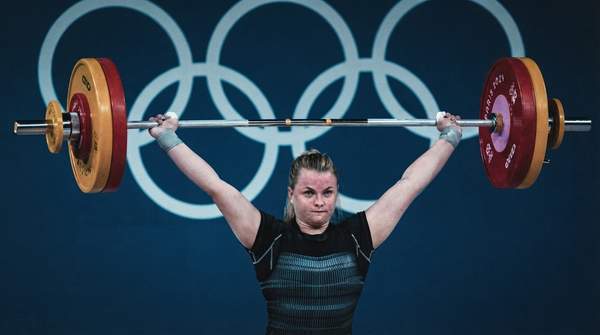
Yes, you can bias your training toward Type I or Type II muscle fiber adaptations — but only within limits. Heavy loads taken close to failure reliably recruit your largest, fastest motor units and, according to current reviews, tend to emphasize Type II fiber growth. Light loads can grow both fiber types when pushed to failure, with some evidence suggesting relatively greater Type I growth. Beyond that, precise fiber-type targeting for hypertrophy remains debated, and no training method changes your fundamental fiber makeup overnight.
Understanding Muscle Fiber Types: The Basics
Human skeletal muscle contains two broad classes of fibers, classified by their contractile and metabolic features as slow/oxidative (Type I) or fast/glycolytic (Type IIa and IIx). A systematic review published in Medicina explains that Type I fibers are better suited to prolonged submaximal contractions because of their high oxidative capacity, mitochondrial density, and resistance to fatigue. They produce sustained, lower-force efforts.
Type II fibers are the opposite tool: larger cross-sectional area, faster contraction speed, and greater anaerobic energy production. Those traits give them the advantage in strength and power activities — think short sprints or maximal lifts. The same review notes these physiological differences can produce variable performance responses between individuals following identical training protocols, which is one reason fiber-type composition is considered a meaningful piece of innate athletic ability.
How Muscle Fibers Are Recruited During Exercise
Which fibers work during a set is governed largely by Henneman's size principle. As a review of muscle fiber recruitment describes, a weak stimulus to the motorneuron pool recruits the slowest fibers first; faster motor units are then brought online sequentially as the required force increases. In other words, Type I units handle easy tasks, and Type II units are reserved for high-effort, high-force demands.
This is where load matters for you as a lifter. A light weight moved for a few easy reps never demands enough force to fully engage the largest Type II motor units. A heavy weight does so from the first rep. Clinical descriptions of motor unit recruitment likewise note that later-recruited Type II fibers are larger in diameter than the small, slow-twitch Type I units they follow in the recruitment sequence.
The size principle has limits as a complete explanation — the same recruitment review points out that it predicts slow fibers would be used in fast contractions, which conflicts with the contractile mechanics of different fiber types. But as a working model for resistance training, it explains why intensity of effort, not just the number of reps performed, determines which fibers are stimulated.