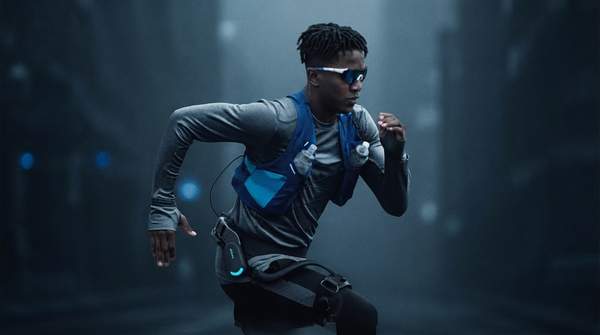
The Fort wearable uses advanced IMU sensors to not only count reps but also differentiate between concentric, eccentric, and isometric holds, providing a level of detail previously unavailable in consumer devices. Most fitness wearables offer broad health metrics, but the Fort provides hyper-specific, hands-free strength training analytics that directly impact performance and recovery. This specialized sensor technology and comprehensive metric evaluation position the Fort as a niche but potentially essential tool for serious strength athletes, setting a new standard for performance tracking in this segment.
Unlocking Advanced Strength Metrics
1. The Fort wearable
Best for: Dedicated strength athletes and serious lifters seeking hyper-specific performance data.
The Fort wearable evaluates metrics including auto-tracking reps and exercises, velocity, per-volume muscle breakdowns, proximity to failure, time under tension, heart rate zones, VO2 max, sleep stages, recovery scoring, HRV, and stress detection, according to WIRED. Designed for hands-free weight-lifting tracking, it offers a comprehensive suite for strength-training analytics, sleep, stress, and step tracking. The device is available for preorder at $289, with the first year of an $80 annual subscription included. Its lightweight design (less than 30 grams) aims for comfort during intense workouts and continuous wear. This extensive feature set and premium pricing imply the Fort targets a user base willing to invest significantly for granular performance data, rather than broad wellness tracking.
Strengths: Granular, hands-free strength training analytics; extensive suite of performance and recovery metrics; lightweight design. | Limitations: Premium price point; requires an annual subscription; potential for data overload for less experienced users. | Price: $289 plus $80 annual subscription (first year included).
2. Fitbit Charge 6
Best for: General fitness enthusiasts and individuals seeking broad activity tracking.
The Fitbit Charge 6 supports over 40 exercises and is water resistant up to 50 meters, according to cnet. It focuses on general fitness, offering daily activity, heart rate, and sleep monitoring without the Fort's specialized strength metrics. The Fitbit Charge 6 is a versatile option for everyday users, contrasting with the Fort's niche focus.
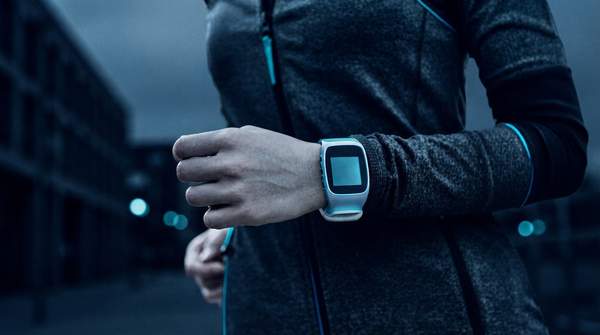
Strengths: Versatile exercise support; water resistance; broad appeal for general fitness. | Limitations: Lacks advanced, strength-specific metrics like velocity or proximity to failure; not designed for hands-free weightlifting tracking. | Price: Typically around $160.
3. Whoop 5.0
Best for: Athletes prioritizing recovery, sleep, and overall physiological strain.
The Whoop 5.0 requires a subscription for ongoing data insights, as reported by cnet. It excels in continuous physiological monitoring, focusing on recovery, sleep, and strain to inform training intensity and rest periods. However, it does not detail advanced strength-training specific metrics like concentric/eccentric differentiation, indicating a different analytical priority compared to the Fort.
Strengths: Strong emphasis on recovery and sleep tracking; continuous physiological monitoring. | Limitations: Requires an ongoing subscription; lacks explicit advanced strength-training metrics in the provided data. | Price: Subscription-based, device often included with membership.
How Fort Stacks Up Against the Competition
| Feature | The Fort Wearable | Fitbit Charge 6 | Whoop 5.0 |
|---|---|---|---|
| Specialized Strength Metrics | Concentric/eccentric differentiation, velocity, proximity to failure, time under tension | Basic exercise tracking, rep counting | General strain and recovery data (no specific strength metrics provided) |
| General Health Metrics | VO2 max, sleep stages, recovery score, HRV, stress detection, heart rate zones | Heart rate, sleep tracking, steps, calories, stress management | Sleep stages, HRV, recovery score, daily strain |
| Hands-Free Tracking | Yes, designed for weightlifting | No, requires manual input or general activity detection | Yes, worn continuously |
| Price | $289 + $80/year subscription | Around $160 (one-time purchase) | Subscription-based |
| Focus | Hyper-specific strength training and recovery | General fitness and wellness | Recovery and physiological optimization |
While other wearables offer broad health insights, the Fort's focused suite of strength-specific metrics and hands-free design carves out a distinct advantage for dedicated lifters.
Is the Fort Worth the Investment?
The Fort is available for preorder at $289, with the first year of an $80 annual subscription included, according to WIRED. This premium price point and ongoing subscription reflect the specialized, high-value data offered. WIRED's description of the Fort's extensive general health metrics alongside its specialized strength tracking suggests a strategic gamble: either it offers unparalleled holistic data for serious athletes, or it risks diluting its unique selling proposition by attempting to serve too many functions. Companies like Fort are betting that serious athletes will pay a premium for hyper-specific, actionable data, challenging general-purpose wearables that prioritize breadth over depth. The Fort is a premium, niche device for dedicated strength athletes, likely limiting mainstream adoption despite its innovative tracking capabilities.
The Fort appears poised to carve out a significant niche among serious strength athletes if its specialized data insights consistently translate into tangible performance gains.