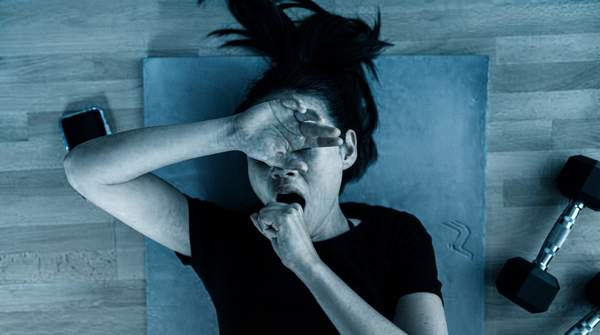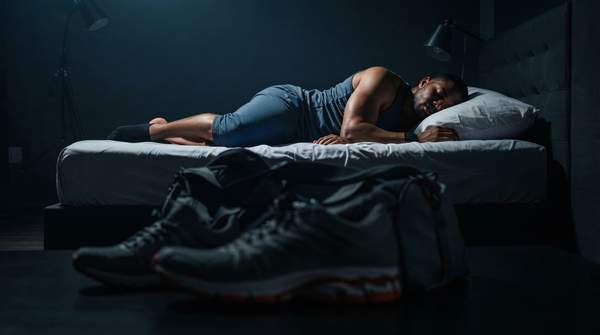
For athletes, sleep is not merely a period of rest but a critical component of training that profoundly impacts recovery, performance, and overall well-being. Prioritizing quality sleep can significantly enhance physiological processes essential for muscle repair, immune function, and cognitive performance, offering a competitive edge.
This guide synthesizes evidence-based strategies, including structured sleep hygiene protocols, strategic napping guidelines, and practical solutions for common athlete-specific sleep challenges. By implementing these adjustments, athletes can optimize their routines to achieve superior recovery and performance.
It is important to note that this information does not provide medical diagnosis or treatment for sleep disorders, nor does it recommend specific sleep supplements due to a lack of FDA regulation and potential risks. Furthermore, this guide focuses on how sleep interacts with training, rather than detailing specific training regimens.
The Critical Role of Sleep in Athletic Performance and Recovery
Adequate sleep is fundamental to an athlete's physical and mental resilience. Research compiled by Consensus Academic Search Engine indicates that sleep deprivation can significantly impair muscle recovery and elevate the risk of injuries. Conversely, targeted sleep interventions, such as extending sleep duration and practicing good sleep hygiene, are crucial for optimizing recovery by regulating hormonal and immune responses vital for muscle repair and overall physiological restoration.
The impact of sleep on athletic performance is substantial and measurable. A Stanford study, highlighted by the Sleep Foundation, observed positive outcomes in men's basketball players who extended their sleep to 10 hours per night, including faster times in both half-court and full-court sprints. Similarly, the Mayo Clinic News Network reports that sleep-deprived athletes can experience a 50% reduction in accuracy for tasks such as basketball free throws and three-pointers. However, with 10 or more hours of sleep, accuracy can increase by 10%, demonstrating a potential 60% difference in performance. Beyond physical prowess, sufficient sleep also supports mental health and resilience, prompting organizations like the National Collegiate Athletic Association (NCAA) to incorporate sleep screening into their best practices to monitor for conditions such as insomnia and sleep apnea.
The amount of sleep required varies by age. Children aged 6–12 typically need nine to 12 hours, while teenagers aged 13–18 require eight to 10 hours. Adults over 18 generally need seven or more hours of sleep. These guidelines underscore the importance of tailoring sleep duration to individual needs, especially for athletes whose bodies are under significant physical stress.