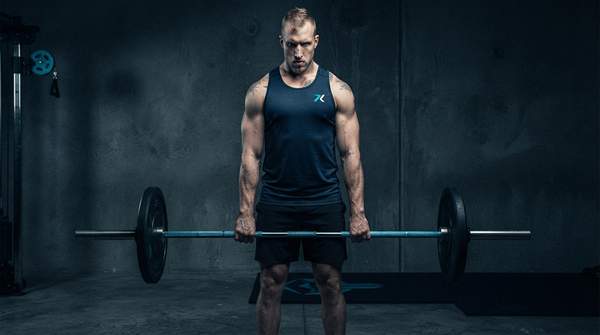
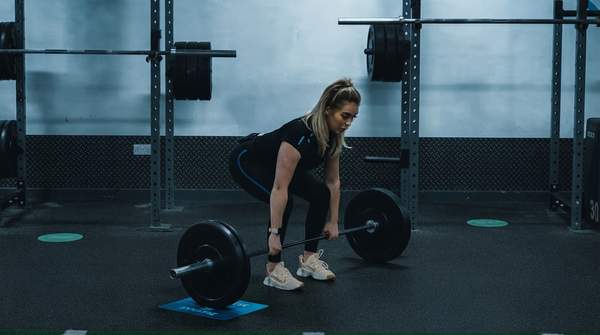
The deadlift is a foundational exercise for developing overall strength and power, but its various forms offer distinct advantages for targeting specific muscles, enhancing performance, and mitigating injury risk. Understanding the unique biomechanical demands and muscle activation patterns of conventional, sumo, hex bar, and stiff-leg deadlifts is crucial for optimizing your training program. By analyzing kinematic data—the study of motion without considering the forces—and electromyographic (EMG) activity, which measures muscle electrical activity, you can make informed choices about which deadlift variation best suits your goals.
Conventional Deadlift: Biomechanics and Muscle Activation
The conventional deadlift is characterized by a greater range of motion at both the hip and knee joints compared to other variations. Kinematic studies show that this lift involves a more horizontal trunk position and increased forward trunk lean, placing significant demands on the posterior chain. Research published in *Frontiers in Bioengineering and Biotechnology* in 2025 highlights that the conventional deadlift is associated with greater posterior chain involvement, particularly through increased hip extension demands.
EMG analysis consistently reveals higher activation of the biceps femoris (a hamstring muscle) and the thoracic erector spinae (lower back muscles) during the conventional deadlift. This increased biceps femoris activity is attributed to the greater hip flexion observed in the starting position of the conventional deadlift compared to other lifts, according to findings from the IUSCA. This makes the conventional deadlift an excellent choice for developing comprehensive posterior chain strength and hypertrophy, especially in the lower back and hamstrings.Sumo Deadlift: Biomechanics and Muscle Activation
In contrast to the conventional deadlift, the sumo deadlift employs a wider stance and a more vertical trunk position. This altered posture results in greater knee flexion and a reduced forward trunk lean. The biomechanical analysis by Hanen, Ben Mansour, Ertel, Duchene, and Gauchard in *Frontiers in Bioengineering and Biotechnology* indicates distinct characteristics between conventional and sumo techniques.
EMG studies show that the sumo deadlift shifts muscle activation towards the quadriceps and gluteus maximus. While still engaging the posterior chain, the wider stance and more upright torso reduce the shear forces on the lumbar spine. This makes the sumo deadlift a potentially beneficial option for individuals with lower back concerns, as it can mitigate spinal loading while effectively developing the quadriceps and glutes.
Hex Bar Deadlift: Biomechanics and Muscle Activation
The hex bar, or trap bar, deadlift offers a unique biomechanical advantage due to its design, which allows the lifter to stand inside the bar. This setup facilitates a more upright torso position and enables a neutral grip, where the palms face each other. According to the Brookbush Institute, hex bar deadlifts typically result in heavier 1-RM loads and higher peak power output compared to conventional and stiff-leg deadlifts.
This variation also leads to increased quadriceps involvement and reduced stress on the lumbar spine. The IUSCA notes that the hex bar deadlift may be the preferred technique for total muscle recruitment and load lifted during high-intensity training regimes (e.g., 90% of 1RM). Its biomechanical advantages, such as a more upright posture and neutral grip, make it a suitable option for beginners or those with lower back pain, while still effectively engaging the lower body and quadriceps.Stiff-Leg Deadlift (SLDL): Biomechanics and Muscle Activation
The stiff-leg deadlift (SLDL) is a variation that places a strong emphasis on the hip hinge movement with minimal knee flexion. This distinct kinematic pattern is designed to maximize the stretch and activation of the hamstrings and glutes. The primary goal of the SLDL is to isolate and develop these posterior chain muscles.
Unlike the conventional deadlift, where the knees bend significantly, the SLDL maintains relatively straight legs throughout the movement, though a slight bend in the knees is often advised to prevent hyperextension. This focus on hip flexion and extension, with limited knee involvement, makes the SLDL optimal for maximizing hypertrophy and strength specifically in the hamstrings and glutes. The Brookbush Institute indicates that stiff-leg deadlifts, alongside conventional deadlifts, result in more hamstring and erector spinae activity.
Choosing the Right Deadlift Variation for Your Goals
Selecting the appropriate deadlift variation depends on your specific training objectives, whether you aim to maximize strength in particular muscle groups, enhance power, or minimize injury risk. Understanding the distinct biomechanical and muscle activation profiles of each lift allows for targeted exercise selection.
Here's a breakdown to guide your choice:
| Deadlift Variation | Primary Muscle Activation | Key Biomechanical Demands | Strength Development Implication | Injury Prevention Implication |
| :----------------- | :------------------------ | :------------------------ | :------------------------------- | :---------------------------- |
| Conventional | Erector spinae, hamstrings, glutes | Greater hip and knee range of motion, more horizontal trunk, increased forward trunk lean | Excellent for overall posterior chain strength and hypertrophy, especially lower back and hamstrings. | Requires strong core and back to manage spinal loading; proper form is critical. |
| Sumo | Quadriceps, gluteus maximus | Wider stance, more vertical trunk, greater knee flexion | Advantageous for targeting quads and glutes more directly. | Potentially reduces shear forces on the lumbar spine, beneficial for lower back concerns. |
| Hex Bar | Quadriceps, glutes, overall muscle recruitment | More upright torso, neutral grip, central bar path | Maximizes power output and allows for heavier loads; effective for general lower body strength. | Reduced lumbar spine stress due to upright posture and neutral grip, suitable for beginners or those with back pain. |
| Stiff-Leg (SLDL) | Hamstrings, glutes | Emphasis on hip hinge, minimal knee flexion | Optimal for isolating and maximizing hypertrophy and strength in hamstrings and glutes. | Focuses stress on hamstrings and glutes; requires good hip mobility and controlled movement to protect the lower back. |
If your primary goal is to develop comprehensive posterior chain strength, particularly in the lower back and hamstrings, the conventional deadlift is highly effective due to its greater hip and knee range of motion and horizontal trunk position.
For those looking to target the quadriceps and glutes more directly, or if you have concerns about lower back stress, the sumo deadlift is an advantageous option. Its more vertical trunk position and higher quadriceps and gluteus maximus activation can reduce spinal loading.
To maximize power output, lift heavier loads, or benefit from a more upright torso and neutral grip, the hex bar deadlift is an excellent choice. It effectively engages the lower body and quadriceps while potentially reducing lumbar spine stress, making it suitable for beginners or individuals with lower back pain.
Finally, if your objective is to isolate and maximize hypertrophy and strength in the hamstrings and glutes, the stiff-leg deadlift is optimal. Its emphasis on the hip hinge with minimal knee flexion directly targets these muscle groups.
By understanding these distinctions, you can strategically incorporate different deadlift variations into your training to achieve specific strength, muscle development, and injury prevention goals.