Despite countless workout videos promising 'lower ab isolation,' scientific studies reveal that the distinction between upper and lower rectus abdominis activation is often negligible during common exercises. The scientific studies challenge popular belief that specific movements can target one part of the abdominal wall. The rectus abdominis largely functions as a single unit.
Many popular workouts claim to isolate the lower abs, but scientific studies show no significant difference in muscle thickness ratio between upper and lower rectus abdominis based on location during common exercises.
Focusing on a diverse range of core exercises that engage the entire abdominal wall, rather than hyper-targeting a non-existent 'lower ab' muscle, appears to be a more effective and scientifically sound approach. Prioritize comprehensive core training for optimal results.
The Scientific Truth: No 'Lower Abs'
Scientific research from pmc found no significant difference in the muscle thickness ratio of the upper rectus abdominis (URA) and lower rectus abdominis (LRA) during common exercises. The research finding directly contradicts the idea of isolating 'lower abs' through specific movements. While muscle thickness ratio differed depending on angles in the URA and LRA during curl up and leg raise exercises, The differing muscle thickness ratio reflects mechanical stress, not distinct anatomical isolation. Despite claims by publications like Eat This Not That about seated knee tucks training lower abs, scientific evidence indicates the rectus abdominis operates more as a unified muscle. Targeted efforts for true isolation are largely ineffective. Companies and influencers promoting 'lower ab' isolation perpetuate a physiological myth.
Building a Comprehensive Core
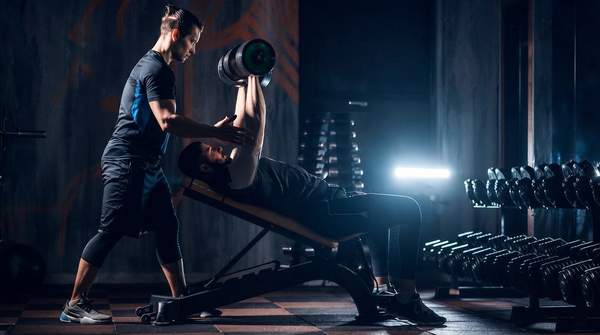
Effective core strength comes from comprehensive training. Prioritize exercises that engage the entire abdominal wall and supporting musculature. A six-move bench sequence targets the full abdominal area, including deep core muscles, according to Fit&Well. Completing the workout in under 20 minutes offers an efficient strategy for core development. Consumers seeking effective core strength should disregard claims of 'lower ab' isolation and instead focus on comprehensive core training, as suggested by scientific studies from pmc. Comprehensive core training yields better results and saves time than chasing mythical 'lower ab' isolation.