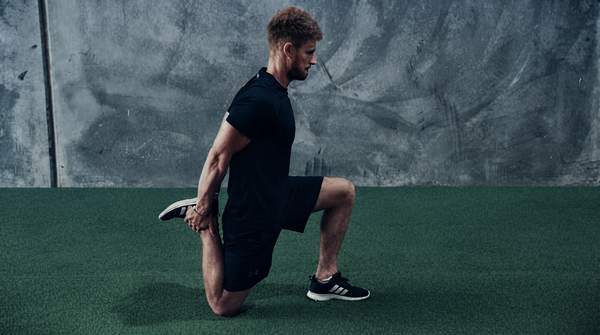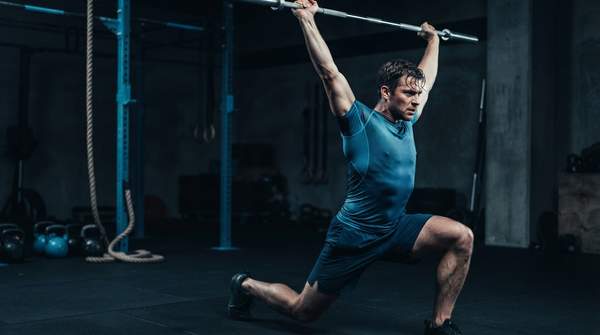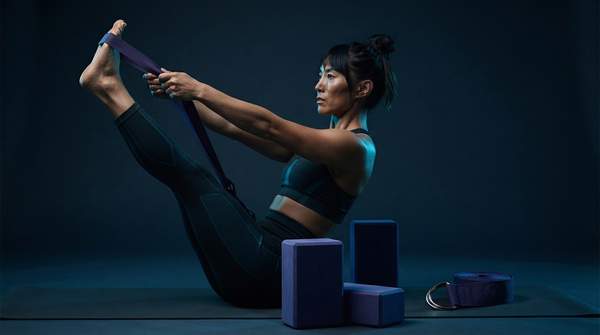
If you want to improve your range of motion without sabotaging your next heavy set, the answer is simple: use dynamic stretching before you lift, and save static or PNF stretching for after your session or for dedicated mobility days. The distinction matters because the same stretch can help or hurt depending on when you perform it. As Cleveland Clinic explains, whether one approach is better "mostly depends on when you're doing the stretches."
Stretching for Lifters: Timing is Key for Performance and Flexibility
For lifters, stretching is not one tool but several, each with a distinct job. Dynamic stretching moves your joints and muscles through their range of motion as a warm-up, preparing the body for movement. Static stretching, by contrast, involves holding a stretch in place, typically for 30 seconds or more, with the goal of improving long-term flexibility. PNF—proprioceptive neuromuscular facilitation—is a more advanced form that alternates muscle contractions with relaxation to deepen range of motion, and is typically performed with a partner.
The critical insight from current evidence is that these techniques are not interchangeable across the training timeline. A 2019 research study cited by Cleveland Clinic found that static stretching had negative effects on performance, including reductions in maximal strength, power and speed after a single bout of stretching. That finding reshaped how strength athletes should sequence their mobility work—and it is why timing, not technique selection alone, is the real decision.
Dynamic Stretching: Your Pre-Workout Warm-Up Essential
Dynamic stretching earns its place in the warm-up because it prepares the body for movement without compromising what follows. Where static holds before training can temporarily reduce strength output, dynamic work—controlled, movement-based mobility drills—does not carry that penalty, making it the appropriate choice before heavy lifting.
Powerlifting guidance from Castiron Lift aligns with this: dynamic mobility work before every training session, with static stretching reserved for after. The practical takeaway for lifters is that your warm-up should rehearse the movement patterns you are about to load—leg swings, hip openers, controlled squats to depth—rather than long passive holds. You are preparing the nervous system and tissues for the specific demands of the session, not chasing flexibility gains minutes before a max attempt.